Guides
How to be the gutter service business people recommend
Gutter service referral program design: the sentences customers actually repeat, how to create them, and what adjacent trades need before naming you.
What to take away
- Referral is a memory problem. Customers repeat specific, checkable things and forget general satisfaction entirely.
- Three sentences do most of the work in this trade, and all three come from the estimate visit rather than from the finished job.
- Adjacent trades refer for their own reasons. Give them what protects their relationship with the customer.
- If you pay for referrals and the referrer says anything publicly, the connection has to be disclosed.
Referral is a memory problem
A satisfied customer who cannot describe what you did will not refer you, because a referral requires saying something specific to a neighbor over a fence.
Very satisfied and they were great produce nothing. What travels is a fact the listener can picture: they found the buried pipe was blocked, they showed me a photo of the rotten board, they told me the guards would not stop the fine stuff.
So the design question is not how to please customers. It is what sentence you are giving them to carry.
The three sentences customers repeat
They told me where the water was actually going. Almost nobody does this. Following each downspout to its terminal end, opening a cleanout where you can reach one, and telling the customer what you found gives them a story about their own house, which is the most repeatable kind.
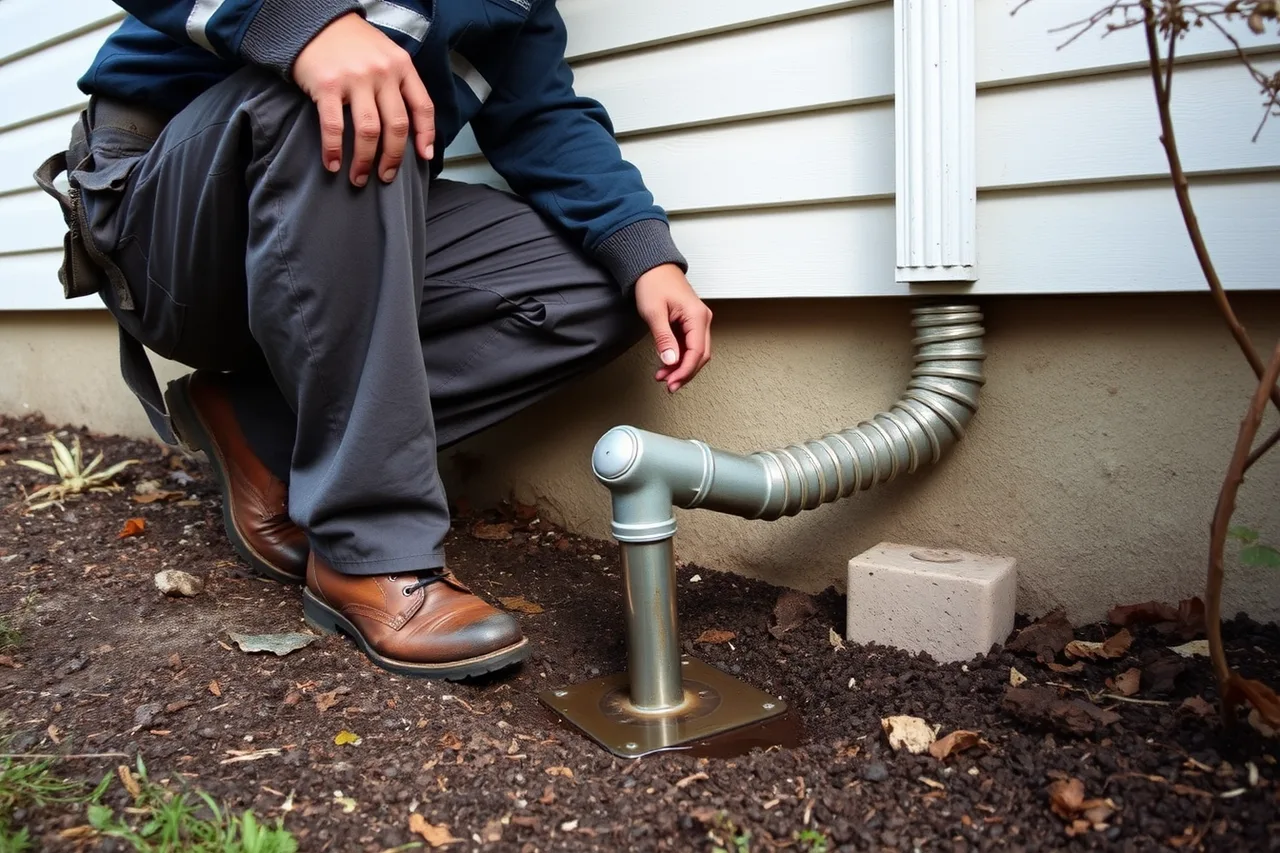
They showed me the fascia before they touched it. A photograph of the board at its worst point converts a contingency charge from an assertion into a documented finding, and it converts the customer into somebody who saw the evidence.
They told me what the guards would not do. Guards reduce large debris and do not end clearing. Fine material still passes and some designs shed water in heavy rain. A customer told this honestly, before buying, remembers it when the first storm proves you right.
All three come from the estimate visit. That is the point. The finished work looks like everybody else's finished work; the visit is where the difference is visible.
Building the moment worth repeating
- Walk the perimeter and put a ladder up, even for a small job.
- Press the fascia at the low points and at every existing downspout.
- Follow each downspout to where the water actually ends up.
- Photograph the worst point and the current discharge arrangement.
- Tell the customer what you found, including the parts that are not your work.
- Say what you are not going to do, and why.
Step six is underrated. A customer who is told that their grading is the real problem, and that regrading is not something you do, gets an honest answer and a referral to somebody else. They remember that longer than they remember the invoice.
Steps one to five are the same visit described in how to win more customers, which is not a coincidence. The behavior that wins the job is the behavior that gets described later.
Adjacent trades
Roofers, home inspectors, property managers and real estate agents all meet your customer at the moment the trigger happens. They refer for their own reasons, and the reasons are not friendship.
| Who | What they need from you | What loses the relationship |
|---|---|---|
| Roofers | Scheduling that fits around theirs, no comment on their work | Turning up late, or criticizing the roof to the customer |
| Home inspectors | A clear written finding they can attach to a report | Vague scope, or work outside what the report described |
| Property managers | Documentation, insurance certificates, predictable invoicing | Missed windows, surprise change orders |
| Real estate agents | Speed before a closing date, and a clean report | Anything that reopens a negotiation unnecessarily |
The roofer row carries a specific trap. When a roof has been replaced and the edge detail now lets water run behind the trough, saying so to the customer in a way that implicates the roofer ends the referral stream. Report it to the roofer, factually, and let them handle it. You will be named again.
The property manager row is the one that scales. Managed properties value documentation over charm, and a company that sends certificates without being chased and photographs without being asked becomes the default. A property manager who wants the same standard across a portfolio will ask what your written operating standards say.
Asking, without making it transactional
Ask once, at the handover, in a specific form. Not do you know anyone who needs gutters, which nobody answers, but a question tied to what you just did: if a neighbor has the same downspout problem, tell them to have somebody look at where the water ends up.
That phrasing gives them the sentence to carry. It also does something useful for the neighbor even if they call a competitor, which is a reasonable thing to be relaxed about.
Leave something physical with the specifics on it: what you found, what you did, the maintenance interval you expect for that property and why. A written record travels between neighbors better than a business card. The maintenance interval you leave behind also belongs in the customer file, alongside the quote blocks and exclusions.
If you run a paid referral program, keep it simple and keep it disclosed. When someone with a material connection to you says something publicly, that connection has to be disclosed.
The Federal Trade Commission's guidance on soliciting and paying for online reviews sets out the expectations for marketers. Avoid paying for a review, or steering who gets asked by expected sentiment.
A referral that turns into a public recommendation lands somewhere findable. That is why profile hygiene in the local SEO checklist matters even to a business that grows by word of mouth.
Google's own guidance on local ranking for a Business Profile describes what it takes into account. An accurate, complete profile is what a referred customer finds when they search your name.
What not to do
Do not chase. A follow-up asking for a referral reads as an invoice for the relationship.
Do not gate the referral ask behind satisfaction. Asking only customers you expect to be pleased is the same habit that gets companies in trouble on reviews, and it produces a skewed picture of your own quality.
Do not promise a neighbor discount that depends on the first customer's silence. Anything conditional on discretion is the wrong shape.
Measuring it honestly
Ask every new customer where they came from, at the door, and write the answer down. Do not infer it.
Owners routinely discover that a majority of their work is referral and repeat while their spending is concentrated on channels producing a minority of it. The wider measurement approach is in the marketing and growth guide.
Protect what produces referrals: finish in one visit. A second trip for a missing outlet or elbow erases the estimate's impression. So the truck stocking list in the equipment checklist for new owners is a referral tool.
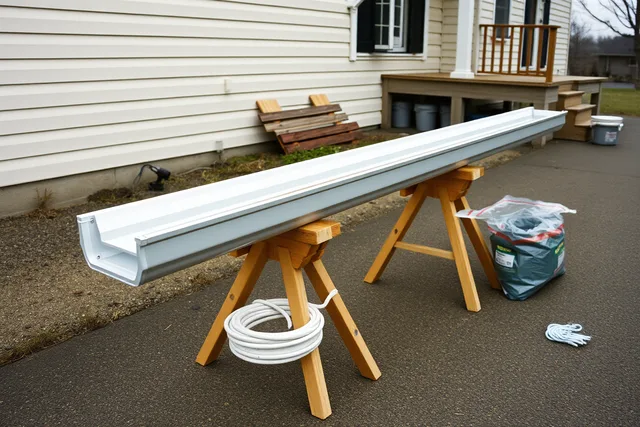
Keeping the promised date matters too. It depends on a formed run made on site, with machine, coil and crew traveling together, as set out in the equipment and setup guide.
Common questions
Do referral payments work?
Modestly, and mostly with people who would have referred anyway. The unpaid version driven by a memorable specific is more durable and costs nothing.
How long after a job should I ask?
At the handover, while the specifics are fresh. A request weeks later arrives with no story attached to it.
What if the customer had a problem we fixed?
Those customers refer at high rates, because they saw how you behaved when something went wrong. Ask them the same way you ask everyone.
Should I ask property managers for referrals?
Ask for more of their own portfolio first. A manager who trusts you with a second building will name you elsewhere without being asked.
What is the single best referral habit?
Telling the customer something true about their house that they did not know and can check. Everything else on this page is a way of making sure that happens.