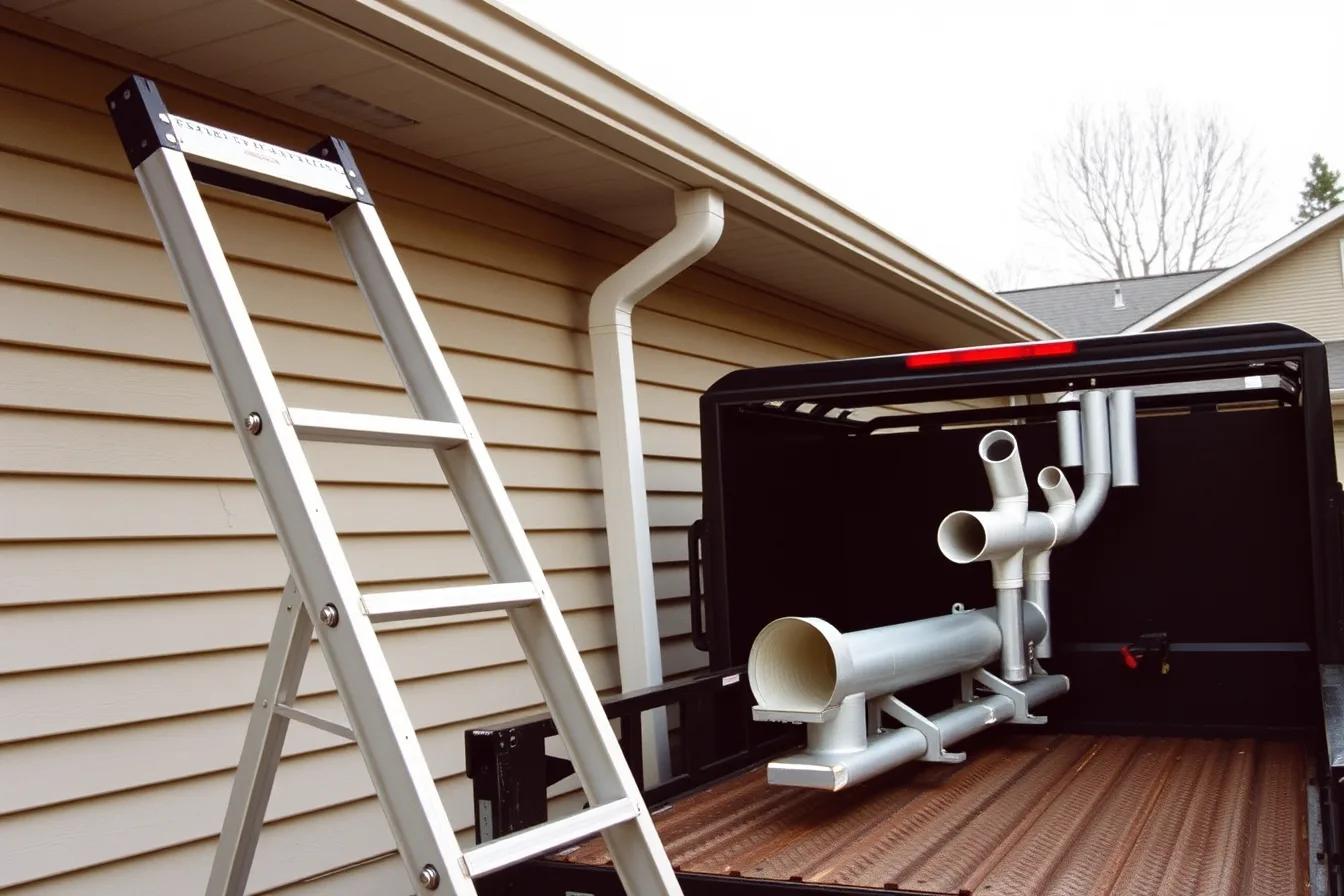
Guides
Gutter service equipment essentials for a new business
Gutter equipment checklist for new owners: what to buy first, what can wait, and the access and discharge items that decide whether a job finishes.
What to take away
- Decide the tallest elevation you will accept work on before you buy a ladder. That one decision sets half of this list.
- Access gear and fall protection come before forming equipment. You can subcontract a formed run. You cannot subcontract the edge of a roof.
- The items that finish a job are small and cheap: outlets, straps, elbows, sealant, extensions. Running out of them costs a return trip.
- Schedule every asset with your insurer and keep the purchase document. A tool stolen from a trailer is only replaceable on paper.
This is a buying order, not an inventory. Work down it and stop where the money stops. The items near the top earn their keep on the first job. The items near the bottom sit on a shelf until the calendar fills.
Decide the ceiling first
Every access decision follows from one question: what is the tallest elevation you will quote?
A single-story ranch and a three-story house with a steep pitch are different businesses. They need different ladders, different setup time, different crew experience and, in practice, different pricing. Owners who leave this open end up sending a crew to a house nobody on the truck is comfortable working, which is where reaching starts.
Write the ceiling into your intake script and hold to it. Turning down a job in the first year feels expensive. It is cheaper than the alternative.
Access and fall protection
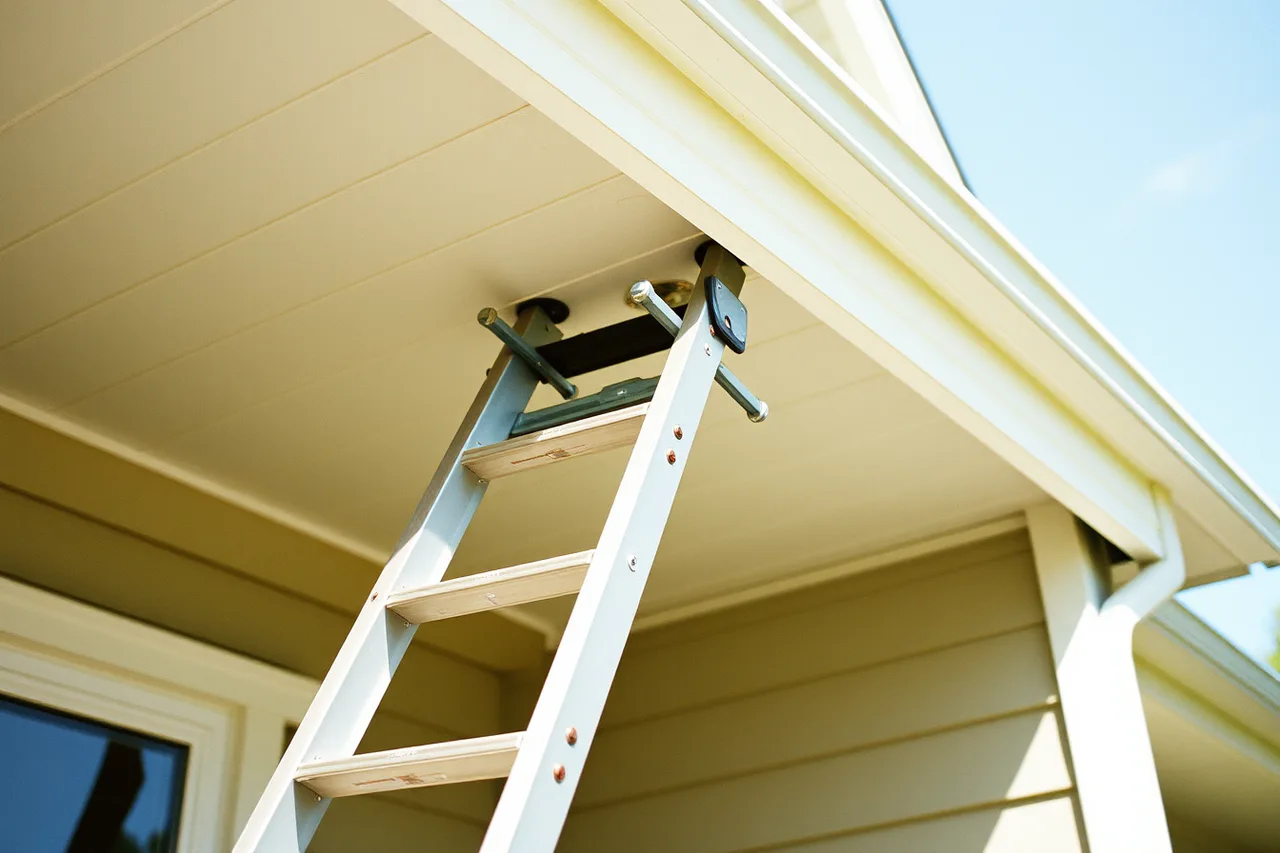
- Ladders sized to the ceiling you just set, plus a spare in the second vehicle
- Standoffs so the ladder does not rest on the gutter you are about to hang
- Levelers for the sloped and soft ground you will meet on most properties
- Fall protection appropriate to the work, stored in the truck rather than the shop
- A written rule about wind and wet surfaces that the crew has read
OSHA's guidance on fall protection in residential construction is the document to work from. It describes the methods, and the employer keeps responsibility for site-specific controls and for your state's requirements.
Build the buying list from what that guidance expects, then build the habit around it using OSHA's framework for a small employer's safety and health program.
Gear that lives in the shop protects nobody. That is why the storage location is part of the checklist item.
Forming and joining
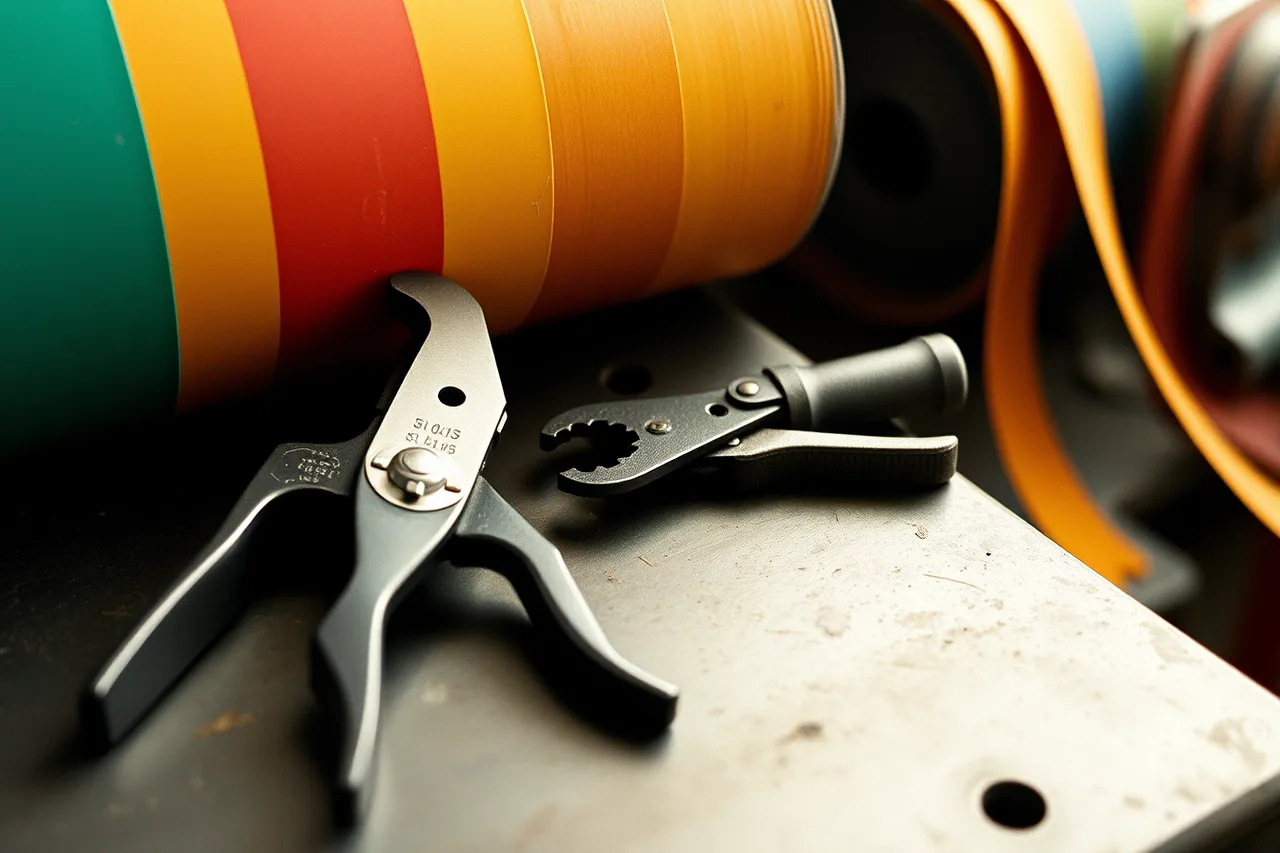
- Coil stock in the colors you have decided to carry, and no more than that
- Hand seamers and a crimper
- A rivet gun and rivets that suit the metal
- An outlet punch sized to your standard outlet
- Sealant rated for the metal and the joint rather than a general-purpose tube
Carrying every color a supplier offers is the classic first-year mistake. Each color is a coil, each coil is money on a trailer, and the two or three that move will carry the route. Add a color when a customer has already agreed to pay for the wait.
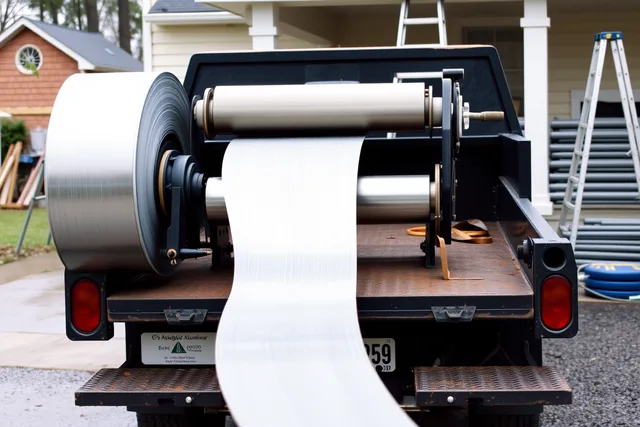
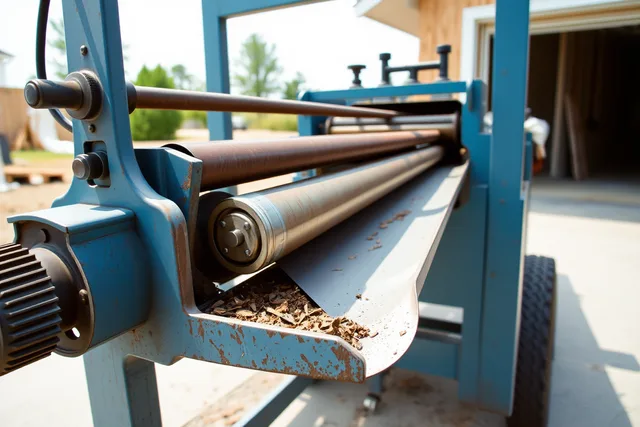
If you have not yet decided whether to own a roll former at all, read the reasoning in the equipment and setup guide before you sign anything. The machine changes how you schedule, not just what you own.
Hanging and fastening
Hangers are chosen for the fascia, not the catalog. A board with old spike holes, or one wet behind a back-pitched run, will not hold what a sound board holds.
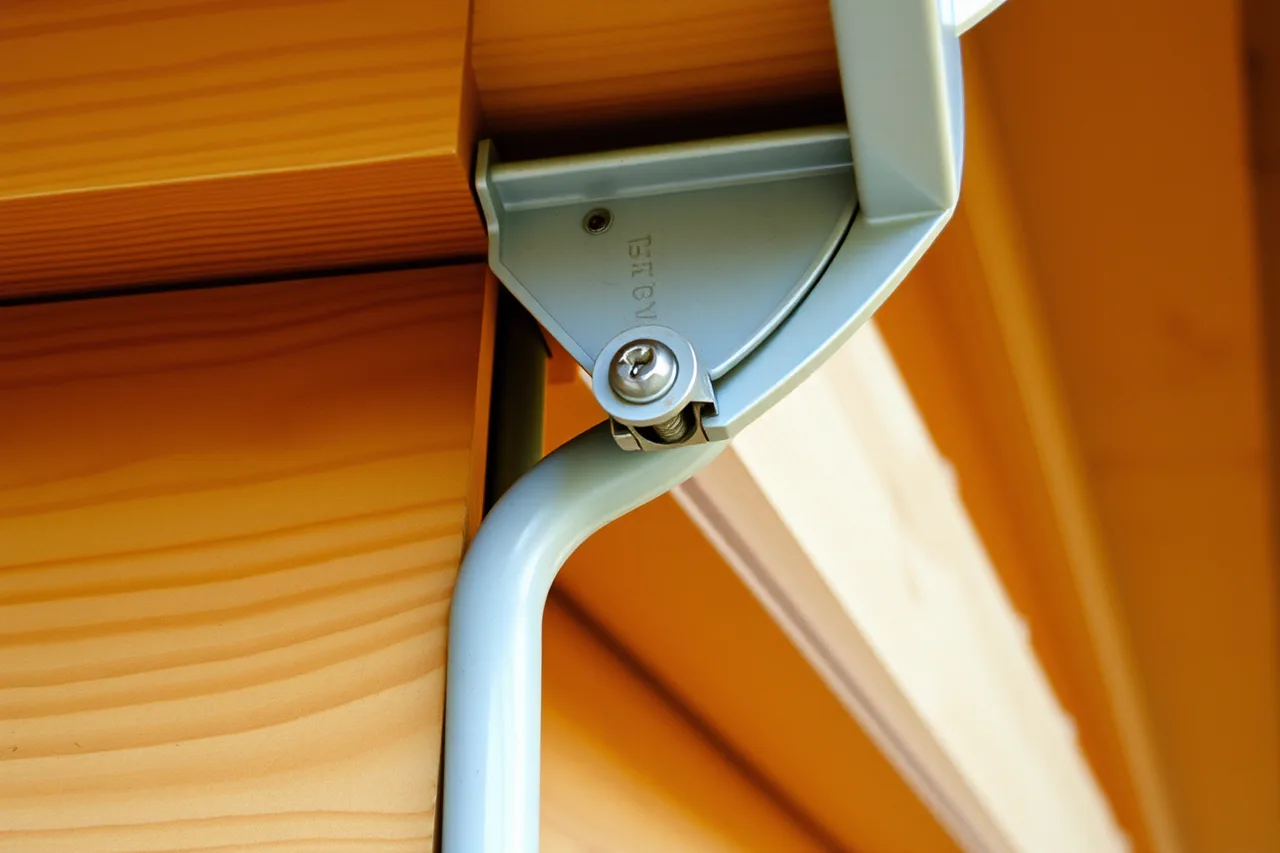
Houses with open rafter tails and no fascia need a different hanger entirely, a design decision made at the estimate, not at the truck.
Carry at least two hanger types and the screws that suit each. Carry a moisture-tolerant plan for the boards you will find soft, and price the repair as a named contingency so that discovering rot is an outcome rather than an argument.
Downspouts, discharge and the small parts
The parts that finish a job are the ones most likely to be missing:

- outlets and outlet screens
- elbows in the offsets your local housing stock actually needs
- straps and the fasteners for the wall types you meet
- extensions, splash blocks or whatever you use to move water away from the wall
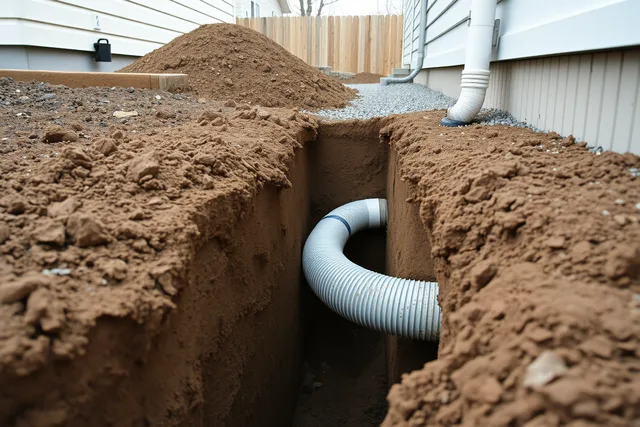
- a way to open and check a buried line, where one exists
The discharge point is where most complaints about gutters come from. Water leaves the downspout, runs back at the foundation, and the customer calls the company whose name is on the trough.
What you may do with that water is not your decision alone. Connection to a storm sewer, the prohibition on tying into a sanitary sewer, and setbacks from a property line are set by the municipal stormwater rules in each city you work. Ask public works once per market and write the answer into your standard scope.
Cleaning, debris and the second revenue line
Cleaning work fills the shoulder seasons and pays for itself with almost no capital: buckets, tarps, scoops, a hose, ground protection and a way to haul debris. It is also how most companies meet the customers who later buy an installation.
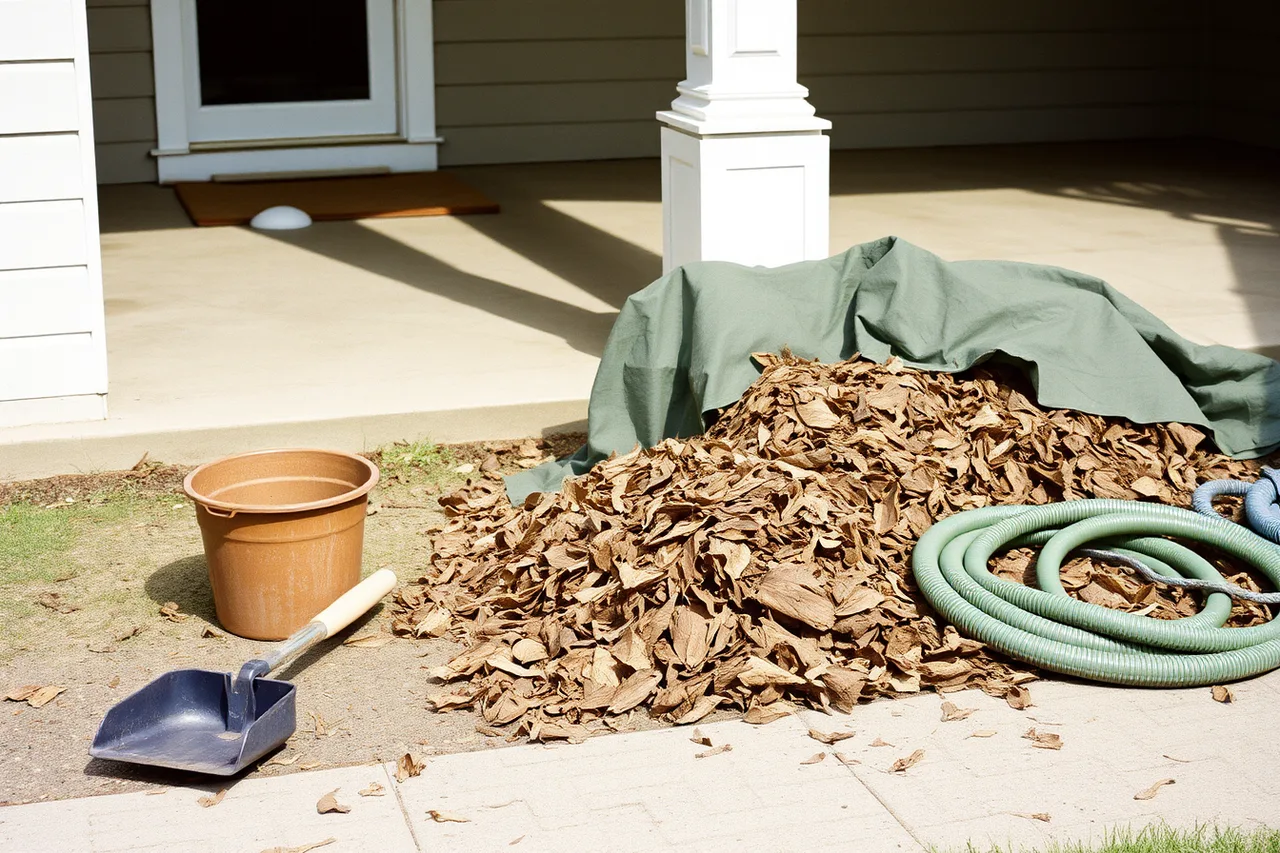
Because it needs so little equipment, it is the natural place to put a new hire while they learn the properties and the ladder work. How that progression is structured belongs with hiring and training rather than with the tool list, but buy the second set of ground gear at the same time as the first hire, not after.
Vehicles, signage and the paperwork behind the asset
The truck is the largest asset and the most-seen advertisement you will own. Lettering it is an equipment decision with a marketing consequence, which is worth deciding deliberately alongside the rest of the marketing plan rather than at the sign shop.
Whatever the vehicle carries, some of it is only legal to operate under conditions your state sets, and contractor registration frequently reaches equipment and vehicle marking. The licensing and compliance guide sets out how to find the requirement that applies where you work instead of copying one from another state.
For each item keep the invoice, the serial number and the date it went into service. The IRS explains what records a small business is expected to hold and why the supporting document matters more than a spreadsheet line. Send the same list to your insurer so the schedule matches what is actually on the trailer.
Common questions
What is the single item new owners underbuy?
Ladder gear. Standoffs and levelers look like accessories and they are the difference between a stable setup and a crew improvising on a slope.
Do I need a second vehicle in year one?
Only when you have a second crew that can work without you. A second truck bought ahead of the second crew is storage with insurance attached.
How many hanger types should I carry?
Enough to cover the fascia conditions in your market, which you will only know after a season of estimates. Start with two and let the callbacks tell you if you need a third.
Should the first purchase be a forming machine?
Usually not. Cleaning, repairs and downspout work need very little capital and they generate the estimate appointments that justify the machine later.
What belongs in the truck that nobody puts on a list?
Something to photograph with, and the discipline to use it. A picture of the fascia before you touch it and the discharge point after you finish settles more disputes than any warranty wording.